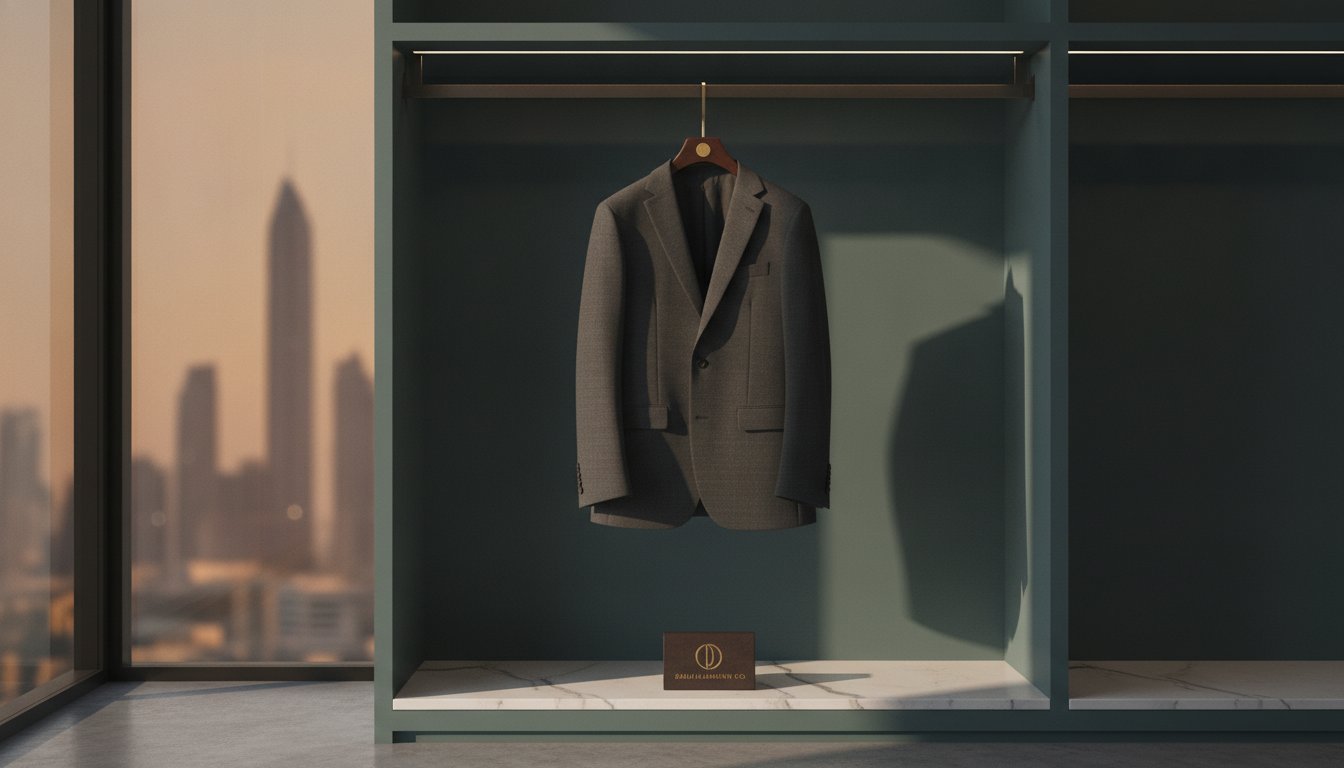
Your favorite wool suit doesn't need a chemical bath after every single wear. In fact, over-cleaning is the quickest way to dull its natural luster and weaken the delicate fibers. You want to look sharp and stay fresh, especially when the intense Dubai humidity starts to settle into the weave. It's a common struggle to find that perfect balance between maintaining impeccable hygiene and avoiding the cumulative wear of professional processing.
This guide settles the debate once and for all. You'll discover exactly how often should you dry clean suits to ensure they remain in gallery-condition for years. We'll provide a clear maintenance schedule tailored to your lifestyle and share expert tips for keeping textiles crisp between cleanings. From understanding the impact of modern solvent regulations to mastering the art of the garment rest, you'll gain the confidence to treat your wardrobe with the artisanal care it deserves.
Key Takeaways
- Understand why traditional water-based washing destroys tailored garments and how specialized solvents preserve the delicate internal canvas of your luxury suits.
- Learn the professional baseline for how often should you dry clean suits, typically just two to three times per year, and how a proper rotation schedule prevents premature fabric fatigue.
- Discover how to combat the specific challenges of Dubai’s humidity, which can trap damaging salts and oils deep within premium wool and silk fibers.
- Master the "Rest and Refresh" method using essential tools like horsehair brushes and steamers to extend the time between professional cleanings while maintaining a crisp appearance.
- Find out how expert curation and meticulous pre-inspection ensure your most valuable garments receive the individual care they need to last for decades.
What is Dry Cleaning and Why Does it Matter for Suits?
Dry cleaning is a misnomer. It is a liquid process, but it swaps water for specialized chemical solvents. For a tailored suit, water is a primary adversary. Traditional laundering causes the natural fibers in wool to swell and distort. This distortion is particularly dangerous for the internal architecture of a jacket. The canvas, shoulder pads, and chest pieces are often made of different materials that shrink at varying rates. If these components warp, the suit loses its clean lines forever.
Solvents serve a specific purpose. They dissolve organic oils, such as skin sebum and food grease, that water cannot effectively lift. These oils are the silent killers of luxury fabrics. They trap dust and pollutants within the weave, leading to discoloration and fiber breakdown. What is dry cleaning? Essentially, it is a method designed to sanitize and refresh without the mechanical stress of a standard washing machine.
Understanding the mechanics of this process is the first step in deciding how often should you dry clean suits. While the process is gentler than water, it is still a chemical treatment. Each cycle contributes to fabric fatigue. This is the cumulative wear on the textile caused by the repeated immersion in solvents and the heat of the finishing process. It requires a delicate hand and professional expertise to balance cleanliness with preservation.
The Science of Solvent-Based Cleaning
Most premium cleaners use solvents like perchloroethylene or more modern hydrocarbon alternatives. These liquids penetrate the fibers to lift dirt without causing the hair-like scales on wool to interlock or felt. After the cleaning cycle, the garment undergoes a precise extraction process. High-speed spinning removes the solvent, followed by controlled aeration to ensure the suit is crisp and completely residue-free.
Solvent-based cleaning is a specialized method that utilizes non-polar liquids to remove contaminants while protecting the structural integrity of delicate wool and silk fibers.
The Risks of Over-Cleaning Delicate Fibers
Luxury wool contains lanolin. This is a natural oil that keeps the fibers supple and resilient. Excessive dry cleaning strips this lanolin away, leaving the fabric brittle and prone to tearing. You might notice a synthetic-looking shine on the elbows or lapels of older suits. This glazing often occurs when fibers are over-processed or subjected to improper pressing.
Over time, the aggressive nature of chemicals can also weaken the silk threads used in seams and degrade the internal canvassing. This eventually leads to a garment that feels limp and looks tired. Precision is key. Every treatment must be intentional to avoid compromising the artisanal quality of the piece.
The Golden Rule: Determining Your Ideal Cleaning Schedule
Most men over-clean their suits. It's a hard truth that stems from a desire for hygiene but often results in the early retirement of a beautiful garment. The baseline is surprisingly lean. For the average wearer, professional cleaning is only necessary two or three times a year. This assumes you're practicing the art of the rotation. Never wear the same jacket and trousers two days in a row. Natural fibers require a minimum of twenty-four hours to breathe and release the moisture they absorb during the day. This rest period allows the internal canvas to settle back into its intended silhouette.
Determining how often should you dry clean suits is less about the date and more about the "sniff test." If your suit smells neutral and shows no visible staining, it's likely fine. Professional care should be a targeted intervention. There's a point where the chemicals begin to do more harm than the dirt itself. Pushing a suit through a cycle every month will quickly lead to frayed seams and a dull finish. You want to use the service as a restorative tool, not a weekly habit.
Business Daily vs. Occasional Evening Wear
Fabric Sensitivity: Wool, Silk, and Linen
Thread count changes the math. A Super 100 wool is a resilient companion for daily wear. Once you move into Super 150s or 180s, the fibers become incredibly thin and delicate. These luxury pieces are far more susceptible to chemical damage. Academic insights into proper care for wool suits suggest that maintaining fiber elasticity is crucial for preventing permanent shrinkage. Linen and silk blends also require a specialized eye. While linen is durable, its tendency to hold deep wrinkles often leads owners to over-clean. Instead, consider a professional Signature Steam Pressing to restore the sharp lines without the harshness of a full solvent wash. Always verify the care label before scheduling your next curation.
Navigating the Dubai Climate: Sweat, Dust, and Suit Longevity
Dubai presents a unique set of variables for any gentleman’s wardrobe. The intense heat combined with soaring humidity levels creates a high-pressure environment for premium wool and silk. In these conditions, the standard advice on how often should you dry clean suits must be adjusted to account for invisible stressors. While you still want to avoid chemical over-processing, the biological impact of the UAE climate is a factor you cannot ignore. Tailoring is an investment, but the desert environment is a constant test of its resilience.
Outdoor events in the city, from garden weddings to terrace meetings, expose your garments to a cocktail of perspiration and fine airborne particulates. If these elements are left to settle, they don't just sit on the surface. They migrate into the core of the weave. Immediate care after these exposures is the difference between a suit that lasts a decade and one that degrades in three seasons. Mastering the balance of maintenance in this climate is essential for the modern professional.
Managing Humidity and Salt Residue
Perspiration is often more destructive than external dirt. In a tropical or desert climate, the moisture from your skin carries salts and organic acids. When the humidity is high, this moisture stays trapped within the suit’s fibers for longer. As it eventually dries, the salt remains behind, becoming abrasive and attracting further moisture from the air. This cycle leads to the dreaded "yellowing" of light fabrics or a localized stiffening in the underarms and back. To maintain the supple feel of your tailoring, you need a specialist who understands these chemical interactions. For those seeking the highest level of care, Signature Dry Cleaning: The Gold Standard for Couture in Dubai provides the deep-cleaning expertise required to safely neutralize these residues.
Dust Protection in the Desert Environment
Desert dust is not just "dirt." It is composed of fine, sharp minerals that act like microscopic sandpaper. Every time you move, these particles rub against the wool fibers, slowly sawing through them at a level invisible to the eye. This leads to premature thinning of the fabric in high-friction areas like the inner thighs and elbows. A suit that looks clean might actually be hosting thousands of these abrasive grains within its weave.
Storage is your first line of defense. Never store a suit in the plastic bag provided by a standard laundry; these trap moisture and gases that can damage the textile. Use breathable, natural-fiber garment bags instead. Before placing your suit back in the closet, let it hang in a well-ventilated room for at least four hours. This "airing out" process allows any remaining humidity to evaporate, preventing the growth of mildew and ensuring the fibers remain resilient.

Extending the Life of Your Suit Between Professional Visits
Daily maintenance is the secret to a long-lasting wardrobe. While we have established how often should you dry clean suits based on wear and climate, the rituals you perform at home dictate the true longevity of the fabric. Adopting a "Rest and Refresh" philosophy allows you to maintain that crisp, straight-from-the-tailor look without over-exposing the wool to chemicals. It turns garment care from a chore into a brief, meditative practice of preservation.
Your essential toolkit should consist of three items: a high-quality horsehair brush, wide-shouldered cedar hangers, and a reliable steamer. Cedar is particularly valuable in a coastal city. Beyond its pleasant aroma, cedar naturally absorbs residual moisture from the fibers and provides a chemical-free barrier against pests. By investing five minutes into your suit after each wear, you ensure it remains in peak condition for your next engagement.
The Art of Brushing and Spot Cleaning
Dust and skin cells are the primary causes of fabric degradation. If left alone, these particles settle deep into the weave and act as micro-abrasives. To prevent this, use a horsehair brush with soft, natural bristles. Always brush in a downward motion, following the natural nap of the wool. Start at the shoulders and work your way down to the hem, paying close attention to the lapels and cuffs where debris tends to accumulate.
- Follow the Nap: Brushing against the grain can fray delicate fibers.
- Gentle Pressure: Let the bristles do the work; never scrub the fabric.
- Spot Checks: If you notice a minor spill, blot it immediately with a damp, lint-free cloth. Never rub a stain, as this pushes the liquid deeper into the core of the thread.
A 30-second brush after each wear can double the time between dry cleans.
Steam Pressing vs. Full Dry Cleaning
Confusion often exists between a garment that is dirty and one that is simply tired. Most suits sent for cleaning are actually just wrinkled from a long day of meetings or travel. A full solvent cycle is unnecessary for these pieces. Professional steam is a far superior alternative. It opens the fibers, allowing them to relax and release trapped odors without stripping the natural lanolin that gives wool its luster.
If your suit has lost its sharp crease but remains free of stains, a targeted press is the most responsible choice. We recommend our steam pressing service Dubai for a crisp finish that restores the silhouette of your jacket and trousers. This precision care keeps your wardrobe looking impeccable while significantly reducing the cumulative wear associated with full dry cleaning cycles.
Ready to refresh your rotation? Book a professional steam press today to restore your suit's gallery-condition finish.
Thawb Wa Teeb: Expert Curation for Your Premium Wardrobe
Maintaining a luxury wardrobe in Dubai requires more than just following a calendar. While knowing how often should you dry clean suits is the foundation of garment longevity, the quality of the care itself is the deciding factor in whether a piece lasts three years or thirty. Thawb Wa Teeb acts as the trusted guardian of the city's finest textiles. We don't just process garments; we curate them. Every item that enters our care undergoes a meticulous manual inspection before a single drop of solvent is applied.
Signature Couture Care in Dubai
Our Signature Dry Cleaning & Couture Care is designed for the discerning individual. We understand the nuances of bespoke tailoring and high-thread-count designer labels. Our experts identify potential vulnerabilities, such as delicate silk linings or hand-stitched embroidery, ensuring they are protected throughout the cycle. We take specific measures to shield unique buttons and hardware, preserving the artisanal integrity that defines your style. This level of manual finishing provides a sense of reassurance and reliability that high-volume cleaners simply cannot match.
- Individual Importance: Every suit is treated as a unique project, never a commodity.
- Technical Precision: We use advanced solvents that protect the natural lanolin in your wool.
- Artisanal Finishing: Hand-pressing ensures your suit retains its three-dimensional silhouette.
Seamless Door-to-Door Convenience
Investing in the Future of Your Wardrobe
Schedule your premium suit care via WhatsApp now and ensure your finest pieces remain impeccable for years to come.
Frequently Asked Questions
Can I dry clean my suit trousers more often than the jacket?
You can clean trousers more frequently, but we recommend sending the full suit as a set. Trousers endure significantly more friction and perspiration than the jacket. Cleaning them together ensures that any subtle color shifts from the solvent process remain uniform across both pieces, preserving the suit's visual harmony.
Does dry cleaning remove the smell of smoke or heavy perfume?
Professional dry cleaning is the most effective method for eliminating deep-seated odors. The specialized solvents penetrate the core of the fibers to dissolve the organic molecules that trap scents like smoke or perfume. This process sanitizes the textile without the risk of shrinkage associated with water-based washing.
What happens if I never dry clean my suit?
If a suit is never cleaned, accumulated skin oils and environmental pollutants will eventually cause the fibers to rot. These organic residues also act as a food source for moths and other pests that damage natural proteins in wool. Over time, the dirt becomes permanently set, leading to irreversible staining and a dull, tired appearance.
Is it better to steam or iron a suit at home?
Steaming is the superior choice for maintaining your tailoring at home. It relaxes the fibers and removes wrinkles without the danger of scorching the fabric or creating a synthetic shine. Ironing involves direct, high heat that can flatten the delicate nap of the wool and permanently damage the suit's texture.
How can I tell if my suit is "over-cleaned"?
An over-cleaned suit often develops a glassy, synthetic shine on high-friction areas like the elbows, seat, and lapels. You might also notice that the fabric feels brittle or thin rather than soft and resilient. This indicates that the natural lanolin in the wool has been stripped away by excessive chemical processing.
Should I remove the plastic bag from the dry cleaner immediately?
You should remove the plastic protective bag as soon as you return home. These covers are intended for transport only and trap moisture against the fabric, which can lead to mildew in humid environments. Transfer your garment to a breathable cotton or canvas bag to ensure the fibers have adequate airflow during storage.
Can I dry clean a suit made of 100% linen or cotton?
You can dry clean both linen and cotton, especially for structured garments like suits. While the raw fabrics are often washable, the internal components like canvas and shoulder pads will distort in water. Professional care is essential to maintain the crisp silhouette and prevent the severe shrinkage common with these natural fibers.
How long does a professional dry cleaning service usually take in Dubai?
A premium service in Dubai typically takes between 48 and 72 hours to complete. This duration allows for a meticulous manual inspection, targeted stain treatment, and artisanal hand-finishing. When deciding how often should you dry clean suits, accounting for this short turnaround ensures your wardrobe remains in gallery-condition for every engagement.