How to Prepare Your Clothes for a Laundry Pickup in Dubai
Five quiet minutes before the driver arrives is the difference between a smooth, accurate return and a small disaster. Here is exactly how to prep your bag so nothing goes missing, nothing gets damaged, and everything comes back the way you wanted.
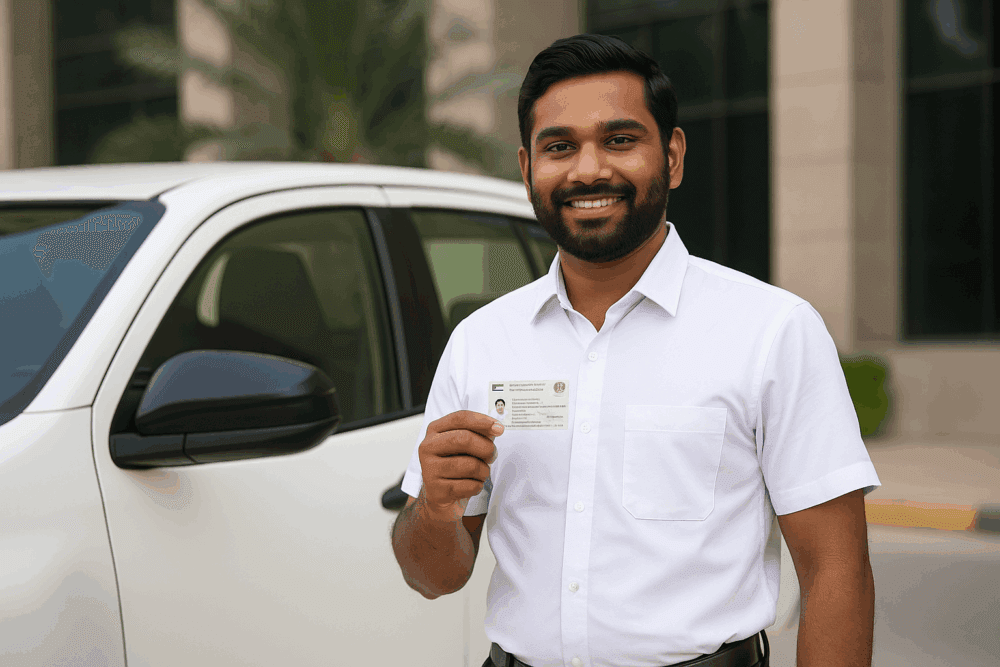
The doorbell rings, the driver is waiting, and you are stuffing a week of clothes into a bag with one hand while holding your phone in the other. We have all done it. The trouble is that a rushed handover is where most laundry mishaps begin: a pen bleeds through a shirt pocket, a delicate knit comes back stretched, or a beloved piece simply cannot be accounted for because nobody counted it in the first place.
The good news is that none of this requires effort, only a little order. A five-minute routine before pickup protects your garments, gives the cleaning team the information they need to treat each item correctly, and saves you money by avoiding re-cleans and replacements. Below is the exact preparation checklist we wish every customer knew, written for the way doorstep laundry actually works in Dubai.
Key takeaways
- Sort your clothes by service type before pickup so each item gets the right treatment and pricing.
- Flag stains clearly, noting what caused them and roughly how old they are.
- Empty every pocket and check for pens, tissues, coins, and AirTags before bagging.
- Do a quick count or list so you can confirm every piece is returned.
- Send a photo and short note over WhatsApp with your building and pickup time to keep everything accurate.
Why five minutes of prep is worth it
Preparation is not about being fussy. It is about giving the people cleaning your clothes the same information you would give them if you were standing at the counter together.
When a garment arrives with no context, the team has to make safe assumptions. Safe usually means gentle and generic, which is fine for a cotton T-shirt but wrong for a silk blouse with a coffee stain that needs specific attention. A few seconds of your input turns guesswork into precision.
There is a financial side too. Re-cleaning a stain that was never flagged, or replacing a shirt ruined by a forgotten pen, costs far more than the minute it takes to check a pocket. Good prep is quietly one of the cheapest forms of garment care there is.
Step one: sort by service type
Not every item wants the same treatment, so the first thing to do is group your laundry by what it actually needs. This helps the team quote accurately and route each piece to the correct process.
Think in four simple piles:
- Wash and iron — everyday cottons, shirts, bedlinen, and anything you would normally machine wash and press.
- Dry clean — suits, blazers, structured dresses, wool, silk, and labels that say dry clean only.
- Press only — items that are already clean but creased from the wardrobe or a suitcase.
- Delicates and special care — fine knits, embellished pieces, and anything you are nervous about.
You do not need separate bags for each pile, though it helps. Even a mental sort makes your handover and your WhatsApp note far clearer.
Step two: flag and describe every stain
Stains are the single biggest reason garments come back less than perfect, and almost always because the cleaner did not know they were there. A hidden mark can set permanently under heat before anyone spots it.
When you find a stain, do two things. First, point it out physically, a small clip, a loose thread, or a folded corner all work. Second, tell the team two details that change everything:
- What caused it — coffee, oil, ink, makeup, grass, and sauce all respond to different treatments.
- How old it is — a fresh spill lifts far more easily than one that has been through a hot wash or sat for a fortnight.
You do not need to be a chemist. Even a rough note such as oil on the left cuff, last weekend gives the team a real head start.
Step three: empty pockets and check for surprises
This is the step everyone skips and everyone regrets. Before anything goes in the bag, run your hands through every pocket, front, back, and inside the jacket.
The usual culprits:
- Pens — the classic disaster, capable of ruining a full load.
- Tissues — they disintegrate into confetti across everything.
- Coins, receipts, and lip balm — messy, and easy to lose.
- AirTags and earbuds — small, valuable, and painful to send through a wash.
Give trousers, jackets, and hoodies a quick pat-down. It takes seconds and prevents the kind of accident that no cleaning process can undo.
Step four: fasten, zip, and turn delicates inside out
A little preparation of the garments themselves protects them during handling and cleaning. These small moves reduce snags, stretching, and misshapen collars.
- Close zippers and fasten hooks — open zips catch and tear neighbouring fabric.
- Do up buttons on heavy items — it helps coats and shirts keep their shape.
- Turn delicate knits and printed tops inside out — this shields the surface, the print, and any beading from friction.
- Unroll cuffs and unfold collars — so nothing is cleaned or pressed in the wrong position.
None of this is essential, but together it noticeably improves how your clothes come back.
Step five: separate special instructions
Some pieces come with rules that only you know. If you hand them over silently, the team has no way to honour them. Pull anything with a special requirement to one side and label it clearly.
Common examples in Dubai households:
- No starch on certain shirts or the national dress.
- Air-dry only for pieces that must not go near heat.
- Embellished or beaded items that need hand attention.
- Press only, do not wash for garments that are already clean.
A single line per item is enough. The clearer the instruction, the more precisely it can be followed.
Step six: count your items and keep a quick list
Nothing causes more stress than the nagging feeling that something did not come back, especially when you cannot prove it was sent. A simple count fixes this entirely.
Before the driver arrives, tally your bag. You can do it two ways:
- A quick number — eight shirts, three trousers, two dresses, jotted in your notes app.
- A photo of everything laid out — the fastest option, and a perfect record.
When your order returns, a ten-second check against your list gives you total peace of mind. Reputable services count on collection too, so your list simply keeps everyone aligned.
Step seven: note the collection details for your driver
Dubai is a city of towers, gated communities, and multiple entrances, and a driver who cannot find you is a delayed pickup for everyone. Clear collection details keep your slot running smoothly.
Have these ready:
- Building or villa name and number — and the community, such as JVC, Marina, or Arabian Ranches.
- Which entrance or lobby — main door, service lift, or a specific tower.
- Your time window — when you will genuinely be available.
- A fallback — leave with security or concierge if you might step out.
The more specific you are, the fewer calls and delays there will be on the day.
How to communicate it all over WhatsApp
The easiest way to pull every step together is a single, tidy WhatsApp message. It becomes a written record for both you and the team, which is far more reliable than a hurried word at the door.
A good message looks like this:
- A photo of your items laid out, or a close-up of any stain.
- A short list with counts and service types, for example five shirts wash and iron, one blazer dry clean.
- Special instructions, such as no starch on the white shirts, air-dry the green knit.
- Pickup details with your building, entrance, and time window.
With everything in one thread, there is no confusion, no relying on memory, and a clear reference if you ever need to check something later.
Frequently asked questions
Do I really need to sort my clothes before pickup? It is not mandatory, but it genuinely helps. Sorting by service type means each garment is quoted correctly and treated properly, and it makes your handover and any messages much clearer. Even a rough split saves time.
What if I forget to mention a stain? Tell the team as soon as you remember, ideally over WhatsApp before cleaning begins. The earlier a stain is flagged, the better the chance of removing it, because untreated marks can set permanently under heat.
How should I hand over delicate or embellished pieces? Keep them separate and label them clearly with any special instruction, such as hand care or air-dry only. Turning knits and printed items inside out adds extra protection during handling and cleaning.
Is a photo really necessary? It is not required, but it is one of the most useful things you can do. A photo records exactly what you sent and highlights any problem areas, which makes the whole process more accurate and gives you a simple reference on return.
What details does the driver actually need? Your building or villa and community, the specific entrance or lobby, and a realistic time window. If you might be out, arrange to leave the bag with security or concierge so your pickup still goes ahead.
Preparing for a laundry pickup is not a chore, it is a small habit that pays you back every single time. Sort by service, flag your stains, empty those pockets, count your pieces, and send one clear message with a photo. Do that, and your clothes come back faster, cleaner, and exactly as you expected, with far less that can go wrong along the way. Once the routine becomes second nature, the whole thing takes barely five minutes and quietly removes almost every reason a laundry order ever goes astray.
Let Thawb Wa Teeb handle the rest
Once your bag is prepped, Thawb Wa Teeb makes the handover effortless. Our Pickup & Delivery service collects from your door for free with no minimum order, and our Wash & Iron team treats every piece exactly as your notes ask. Send us a photo and your details, and we take it from there.
Message Thawb Wa Teeb on WhatsApp at +971 56 830 6804 to book your pickup. With a 48 to 72 hour return across 48+ Dubai communities, your clothes come back fresh, folded, and right on time.
Related reading
More reading
How to Remove Makeup and Cosmetic Stains From Clothes
Foundation on a collar, lipstick on a shirt, mascara down a sleeve. A practical, textile-safe guide to lifting makeup stains at home in Dubai, and knowing when a piece belongs with a professional.
How to Care for Denim and Jeans in Dubai
Denim asks you to wash less, but Dubai heat and sweat push you to wash more. Here is how to keep colour, fit and freshness in balance all year round.
How to Remove Oil and Grease Stains from Clothes: A Dubai Guide
Oil and grease stains are among the most stubborn marks a wardrobe can face. Here is how to lift them properly, from a fresh shawarma splash to old set-in machine grease.
Need help with your laundry?
Free doorstep pickup and 48 to 72 hour return across 48+ Dubai communities — book in 60 seconds.