How to Remove Makeup and Cosmetic Stains From Clothes
Foundation on a collar, lipstick on a shirt, mascara down a sleeve. A practical, textile-safe guide to lifting makeup stains at home in Dubai, and knowing when a piece belongs with a professional.
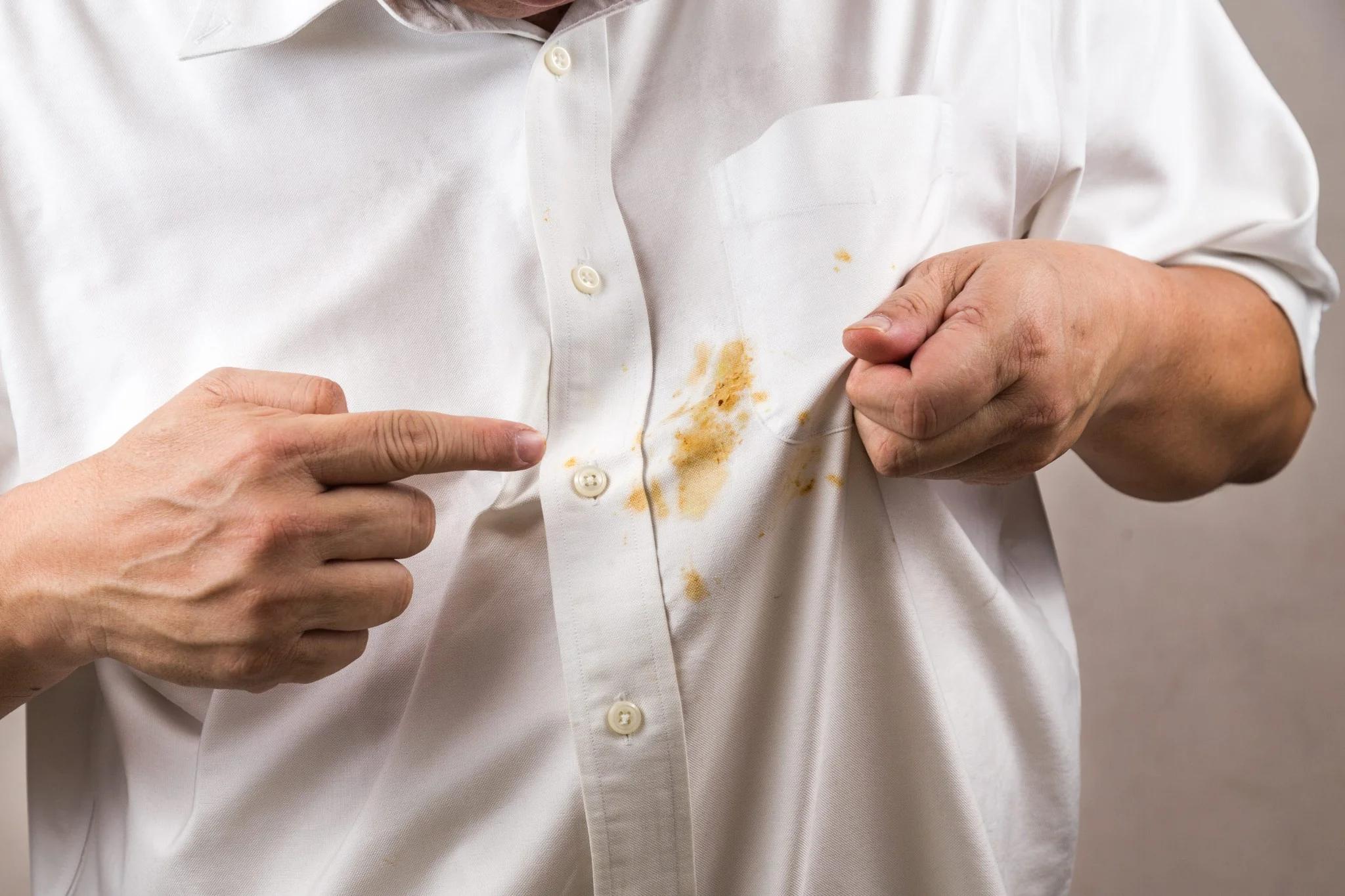
You have twenty minutes before you leave, the outfit is finally right, and then it happens: a smear of foundation along the neckline, a lipstick print on a white cuff, a black comma of mascara down a pale sleeve. Makeup stains have a particular talent for arriving at the worst possible moment, usually on the one thing you most wanted to wear.
The good news is that most cosmetic marks are very treatable if you act calmly and in the right order. The trick is understanding what you are actually dealing with, because a makeup stain is rarely one problem. Below is a room-by-room, product-by-product approach that works for everyday cottons and synthetics, along with clear guidance on the delicate and dry-clean-only pieces that should never be treated at home.
Key takeaways
- Makeup is usually two stains in one: an oily base plus heavy pigment, so degrease first, then lift colour.
- Scrape off any excess, blot rather than rub, and work from the back of the fabric to push the stain out rather than in.
- Foundation and lipstick respond to a gentle degreaser first; mascara is often waterproof; loose powder should be brushed off dry before any liquid touches it.
- Collar and neckline foundation marks are the most common cosmetic stain of all, and among the easiest to prevent.
- Abayas, silk, beading and structured eveningwear should go to a professional untreated, and nothing should ever be tumble-dried or ironed until the mark has completely gone.
Why makeup stains are so tricky
Most cosmetics are engineered to stay put. That is the entire point of a long-wear foundation or a transfer-resistant lipstick, and it is exactly what makes them stubborn on fabric. A single mark can combine several very different challenges at once.
- An oily or waxy base, from the emollients that help makeup glide and cling.
- Heavy pigment, often at high concentration for strong colour payoff.
- Sometimes a waterproof or silicone film, designed specifically to resist water.
Because of that combination, splashing water on the mark first is often the wrong move. Water can set certain pigments and spread an oily base into a wider halo. The reliable sequence is almost always to tackle the grease first, then lift the colour, and only then rinse.
Different products also behave differently, so it helps to identify the culprit before you reach for anything.
The golden first move
Whatever the cosmetic, the first sixty seconds matter more than any product you own. Before treating a stain, do three things.
Scrape, do not smear
Lift away any excess sitting on the surface using the edge of a blunt knife, a spoon or a stiff card. This matters most for thick products like lipstick, cream blush or a heavy foundation. Scoop gently in one direction rather than wiping back and forth, which only grinds the pigment deeper into the weave.
Blot, never rub
Press a clean white cloth or paper towel onto the mark to absorb what you can. Rubbing feels productive but it forces the stain further into the fibres and can bruise delicate fabrics or fray the surface. Blot, lift, move to a clean section of cloth, and repeat.
Work from the back
Turn the garment inside out and treat it from the reverse, placing a folded towel or pad underneath the stain. This pushes the cosmetic back out the way it came, into the pad, rather than driving it deeper through the fabric. It is the single most overlooked step, and often the difference between a clean lift and a lingering shadow.
Foundation and lipstick: degrease first
Foundation and most lipsticks share an oily, pigment-heavy makeup, which is why they respond to the same opening move: break down the grease before you worry about the colour.
- Apply a small amount of a gentle liquid dish soap, or a little clear washing-up liquid, directly to the mark.
- Let it sit for a few minutes so it can work into the oily base.
- Work it in very gently with a soft fingertip or the edge of a clean cloth, always from the back of the fabric.
- Rinse with cool water from the reverse, then check the mark in good light.
If a faint pigment shadow remains once the grease has gone, a dab of oxygen-based stain remover suited to the fabric can help lift the last of the colour. For lipstick specifically, resist the urge to scrub the print outward; work it inward toward the centre so you do not enlarge the mark.
Mascara and eyeliner: oily and often waterproof
Mascara is a special case because so many formulas are waterproof by design. Plain water and even ordinary detergent can slide straight off the film.
- Blot up what you can first, without spreading the mark sideways.
- For waterproof formulas, a degreasing dish soap is usually more effective than detergent alone, as it targets the water-resistant base.
- Apply, wait, and blot gently from the back, refreshing your cloth as pigment transfers onto it.
- Repeat patiently. Mascara often needs two or three gentle passes rather than one aggressive one.
Avoid coloured or oil-heavy household products near pale fabrics, and never scrub a knit, where the fibres can pill and hold the pigment even more tightly.
Powder, blush and bronzer: brush before you wet
Loose powders, pressed blush and bronzer are the exception to almost every other rule, because they are dry pigment. Adding liquid straight away turns a light dusting into a spreading paste.
- Hold the garment away from you and shake or tap off the loose powder first.
- Use a clean, dry makeup brush or a soft cloth to whisk the remainder off the surface.
- Only once the loose pigment is gone should you treat any remaining tint with a little soap and cool water, from the back as always.
This dry-first approach is why a fallen bronzer compact on a dark abaya is often far more recoverable than it first appears, provided nobody rushes in with a wet cloth.
Self-tan and fake tan on collars
Self-tan is its own category, and a familiar one before a big evening out. It is designed to develop a lasting colour on skin, so on a collar or neckline it can look alarming.
- Act quickly, while it is still fresh and before it has had hours to develop.
- Blot up any excess, then treat with a gentle soap solution from the back of the fabric.
- Expect it to need patience and more than one pass, and keep the garment out of any heat until you are sure the mark has gone.
On white cotton shirt collars, a fresh self-tan smudge treated promptly will usually shift. Once it has fully developed and been through a hot wash or dryer, it becomes far harder, which is the theme running through this entire guide.
Collar and neckline foundation marks
The tan line of foundation along a collar or neckline is the most common cosmetic stain there is, and one of the most preventable. It comes from face makeup meeting fabric as you dress and move.
To prevent it in the first place:
- Let foundation set for a minute or two before pulling anything over your head.
- Slip a light scarf or tissue over your face when putting on or removing a top.
- Do up buttons and fasten collars last, once your makeup is settled.
To treat an existing collar mark, follow the foundation method above: a gentle degreaser first to cut the oily base, worked from the reverse, then a rinse and, if needed, an oxygen stain remover for any pigment shadow. Because collars take the same mark repeatedly, treating them promptly stops a faint line becoming a permanent grey shadow over time.
Protecting delicate and dry-clean-only pieces
Everything above assumes a washable, robust fabric. Some pieces are simply too precious or too particular to risk, and the safest treatment is no home treatment at all.
Take these straight to a professional, untreated:
- Abayas and structured formalwear, where fabric and finish matter.
- Silk, satin, chiffon and other delicate weaves that watermark and lose their finish easily.
- Beaded, sequinned or embellished eveningwear, where solvents and scrubbing can loosen threads and dull the decoration.
- Tailored jackets and anything with interfacing or a structured shape.
For these, resist the temptation to dab at the mark yourself. Home remedies can set a stain, leave a ring, or damage the very finish that makes the piece special, and once that has happened even a professional has less to work with. The most useful thing you can do is note what the stain is and how fresh it is, then hand it over.
The one rule that saves garments
Never tumble-dry or iron a garment until the makeup mark has completely gone. Heat sets cosmetic stains, effectively baking the oil and pigment permanently into the fibres. Always dry in the air and check the mark in good, natural light before anything warm goes near it. A stain that is still faintly visible when damp is a stain that is still there.
Frequently asked questions
Can I remove makeup stains at home, or should everything go to a cleaner? Everyday washable cottons and synthetics are usually fine to treat at home using the degrease-then-lift method, provided you act promptly and use no heat. Delicate, structured or embellished pieces, and anything labelled dry-clean-only, are better left untreated and handed to a professional.
Why should I never rub a makeup stain? Rubbing forces pigment deeper into the weave and spreads the oily base outward, turning a small mark into a larger, fainter halo. It can also damage delicate surfaces. Blotting lifts the cosmetic away instead of grinding it in, which is why it is always the safer choice.
What is the best first step for a fresh foundation or lipstick mark? Scrape off any excess, then apply a small amount of gentle dish soap to cut the oily base before you touch it with water. Let it sit a few minutes, work it gently from the back of the fabric, then rinse with cool water and reassess.
Does waterproof mascara need special treatment? Yes. Because it is built to resist water, plain detergent often will not shift it. A degreasing dish soap works better, applied and blotted gently from the reverse in two or three patient passes rather than one hard scrub.
I have a wedding tonight and just marked my outfit. What now? If the piece is washable, act immediately with the right method for the product and keep it away from heat. If it is an abaya, silk or anything embellished, do not treat it yourself. Blot up any excess, leave the rest untouched, and get it to a professional as soon as you can.
Makeup stains feel like a small disaster in the moment, but most of them come out cleanly when you slow down, identify the product, and treat it in the right order: grease first, colour second, heat never. Keep a gentle degreaser and a clean white cloth within reach of where you get ready, protect your collars before they mark, and know which of your favourite pieces are too precious to risk at home. Handle those last few correctly and your wardrobe will thank you for years of evenings out.
Let Thawb Wa Teeb rescue the pieces you love
Some marks are worth the wait for an expert. When it is your favourite abaya, a silk gown or a beaded eveningwear piece, Thawb Wa Teeb handles cosmetic stains the way delicate fabrics deserve, assessing the mark and the fibre before anything touches it. Our Dry Cleaning service is built for exactly these garments, and with free Pickup & Delivery you never have to leave home to sort it out.
Caught a stain before an event? Message Thawb Wa Teeb on WhatsApp at +971 56 830 6804, tell us what the mark is and how fresh it is, and we will take it from there, with a 48 to 72 hour return across 48+ Dubai communities. Leave the tricky pieces to Thawb Wa Teeb and keep your best outfits looking their best.
Related reading
More reading
How to Care for Denim and Jeans in Dubai
Denim asks you to wash less, but Dubai heat and sweat push you to wash more. Here is how to keep colour, fit and freshness in balance all year round.
How to Remove Oil and Grease Stains from Clothes: A Dubai Guide
Oil and grease stains are among the most stubborn marks a wardrobe can face. Here is how to lift them properly, from a fresh shawarma splash to old set-in machine grease.
Linen in a Dubai Summer: How to Keep It Cool, Crisp and Lasting
Linen is the fabric Dubai summers were made for, but it rewards care and punishes shortcuts. Here is how to wash, dry, press and store it so it keeps you cool and looks sharp all season.
Need help with your laundry?
Free doorstep pickup and 48 to 72 hour return across 48+ Dubai communities — book in 60 seconds.