How to Remove Oil and Grease Stains from Clothes: A Dubai Guide
Oil and grease stains are among the most stubborn marks a wardrobe can face. Here is how to lift them properly, from a fresh shawarma splash to old set-in machine grease.
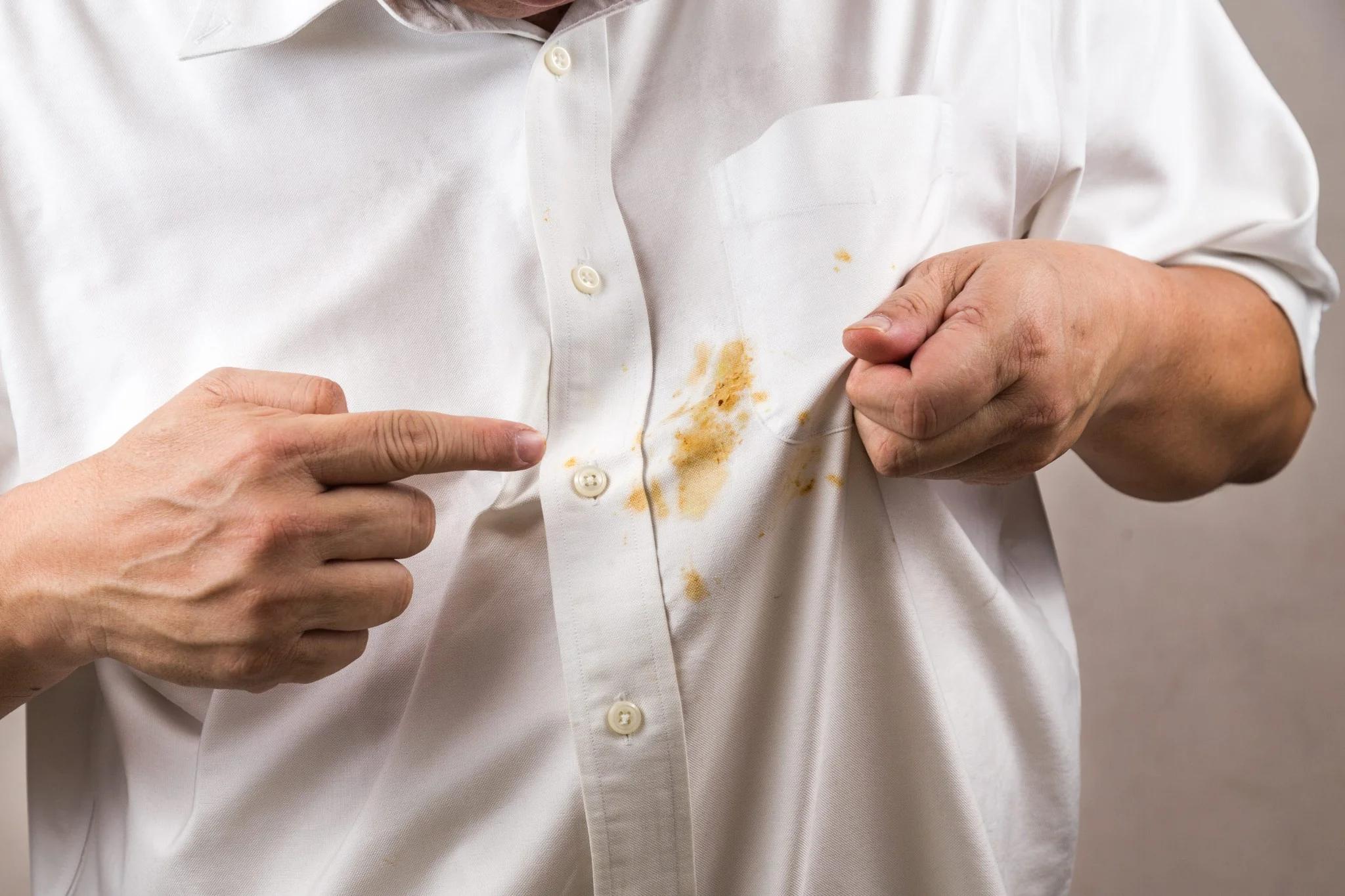
You reach for your favourite shirt and there it is: a translucent, greasy shadow that water simply refuses to touch. Maybe it arrived with lunch, maybe from the kitchen, maybe from the underside of a car. Oil and grease stains have a way of announcing themselves at the worst moment, and they behave unlike any other spill you will meet.
The good news is that they are beatable. With the right first response, a proper degreaser, and a little patience, most oil marks come out completely, and the ones that do not are exactly the kind our team handles every day. This guide walks you through why these stains are so difficult, how to treat them at home, and when to hand a garment over untouched.
Key takeaways
- Oil is hydrophobic, so water alone will never lift a grease stain; you need a degreaser to break it down.
- Blot, never rub, and absorb as much oil as possible with cornstarch or talc before anything else.
- Dish soap is the most reliable home degreaser for washable fabrics.
- Never tumble-dry or iron a garment until the stain is completely gone, as heat bonds oil permanently.
- Silk, wool, and dry-clean-only pieces should go to a professional untreated.
Why oil and grease stains are so stubborn
Most spills mix with water, which is why a splash of juice or coffee often rinses away with a little effort. Oil is different. It is hydrophobic, meaning it actively repels water. Pour water over a grease stain and it simply beads and rolls off, leaving the oil sitting exactly where it landed, deep in the weave of the fabric.
That resistance is only half the problem. Oil also changes over time. Left alone, it slowly oxidises, turning from a faint sheen into a yellow or brown mark that looks far worse than the original spill. What seemed like a minor smudge on Monday can become a set, discoloured patch by the weekend.
Heat makes everything worse. The moment oil meets the warmth of a tumble dryer or an iron, it bonds chemically with the fibres and effectively becomes part of the fabric. This is the single most important thing to understand: heat is the enemy, and it can turn a treatable stain into a permanent one in minutes.
Common sources of oil stains in Dubai
Oil marks come from every corner of daily life, and knowing the source helps you judge how aggressive to be with treatment.
- Food and cooking grease: A shawarma dripping down its wrap, a splash of ghee at the stove, or oil from a shared platter. These are the most common stains we see, and they are usually fresh, which is good news.
- Car and machine grease: Thick, dark, and often mixed with dirt. Common after a weekend fixing the car or a brush against an engine bay. These are the most demanding to remove.
- Cosmetic and hair oils: Argan oil, hair serums, moisturisers, and sunscreen transfer easily onto collars, scarves, and shoulders. They are light but can be surprisingly persistent.
- Salad dressing and condiments: Vinaigrettes, mayonnaise, and creamy sauces combine oil with other staining agents, so they need a degreaser and sometimes a second treatment.
Your immediate response
What you do in the first few minutes matters more than anything else. Move quickly, but calmly.
Blot, do not rub
Rubbing feels productive, but it pushes oil deeper into the fibres and spreads the stain outward. Instead, press a clean paper towel or cloth gently onto the mark to lift away the surface oil. Blot from the outside of the stain inward to avoid spreading it.
Absorb with a powder
Once you have blotted the excess, sprinkle a generous layer of a dry absorbent over the stain. Cornstarch, talcum powder, or even plain flour will do. These powders draw the oil up out of the fabric. Leave it to sit for at least fifteen minutes, or longer for a heavier stain, then brush it away.
Reach for dish soap
Dish soap is designed to cut through grease on pans, and it does the same job on fabric. Apply a small amount directly to the stain, work it in very gently with your fingers or a soft brush, and let it sit for several minutes before rinsing with warm, not hot, water.
Treating fresh stains step by step
For a stain that has just happened on a washable cotton or synthetic garment, follow this sequence.
- Blot away all the surface oil you can with a clean cloth.
- Cover the mark with cornstarch or talc and leave it for fifteen to twenty minutes, then brush off.
- Apply a few drops of dish soap directly to the stain and gently work it into the fibres.
- Let the soap sit for five to ten minutes so it can break the oil down.
- Rinse from the back of the fabric with warm water to push the oil out rather than through.
- Wash as normal at the warmest temperature the care label allows.
- Check the stain before drying. If any shadow remains, repeat the process. Do not dry until it is gone.
Treating old or set-in stains
An oil stain that has been through the wash, or one that has sat for days and oxidised, needs more persistence. The oil has settled and possibly darkened, but it is often still recoverable.
- Pre-treat generously with dish soap and, for tougher marks, work in a little bicarbonate of soda to help draw out the oil.
- Let the treatment sit for thirty minutes to an hour rather than just a few minutes.
- Gently agitate with a soft brush to loosen the oil from the weave.
- Rinse and inspect, then repeat the cycle two or three times if needed.
- For dark car or machine grease, accept that home methods have limits. Multiple attempts may fade it, but heavy industrial grease often needs solvent treatment.
If several rounds make no difference, stop before you damage the fabric and let a professional take over.
The cardinal rule: keep heat away
It bears repeating because it is the mistake that ruins the most garments. Never tumble-dry, iron, or press a garment while an oil stain is still visible.
Heat sets oil into the fibres permanently. A stain that would have lifted with one more wash becomes impossible to remove the moment it meets a hot dryer drum or an iron. Always air-dry a treated garment and inspect it in good light before you consider it clean. If you can still see a faint greasy outline, it is not ready for heat.
When to trust a professional
Some fabrics and some stains are simply not suited to home treatment, and pushing ahead can cause more harm than the stain itself.
- Silk and wool: These delicate natural fibres react badly to vigorous rubbing and harsh degreasers. Water spotting and distortion are real risks.
- Dry-clean-only pieces: Suits, tailored garments, and structured items are built with linings and interfacings that home washing can ruin.
- Large or set-in grease: Anything you cannot shift after a couple of careful attempts.
In all these cases, the best action is no action. Do not apply water or soap. Take the garment to a professional untreated, and if you know the source of the stain, mention it.
How solvent dry cleaning lifts oil
Professional dry cleaning does not use water at all. It uses solvents that dissolve oil and grease directly, the way a degreaser cuts through a greasy pan but far more thoroughly and gently on the fabric. Because oil is soluble in these solvents, the process lifts marks that home washing physically cannot reach, without the water spotting or shrinkage that can damage delicate pieces. For anything valuable, structured, or heavily stained, this is the safest and most effective route.
Frequently asked questions
Can I remove an oil stain that has already been through the dryer? It is much harder once heat has set the oil, but not always impossible. Try repeated dish soap treatments with patience, and consider a professional. Prevention by checking before drying is far more reliable.
Does hot water help remove grease? Warm water helps the degreaser work, but hot water carries a risk: on some fabrics it can set a stain rather than lift it, much like heat drying. Warm is the safe choice, and always follow the care label.
Will dish soap damage my clothes? On sturdy washable cottons and synthetics, a small amount worked in gently is fine and rinses out. Avoid it on silk, wool, and dry-clean-only fabrics, where it can cause spotting or distortion.
How long can I leave an oil stain before treating it? The sooner the better. Oil oxidises and darkens over hours and days, so a fresh stain is always easier. If you cannot treat it immediately, at least blot and absorb the excess, and keep it away from any heat.
What about baby powder or cornstarch, do they really work? Yes, dry absorbents genuinely help by drawing oil up out of the fabric before it settles. They work best on fresh stains and are a useful first step, though they usually need a degreaser afterwards to finish the job.
A calm, methodical finish
Oil and grease stains feel dramatic, but they reward a steady hand far more than a panicked one. Blot, absorb, degrease, and above all keep heat away until the mark is truly gone. Work through the steps, inspect in good light, and repeat if you need to. For the delicate pieces, the set-in grease, and the garments you cannot risk, professional care exists precisely so you never have to gamble with something you love.
Let Thawb Wa Teeb handle the stubborn stains
Some oil marks are beyond a home remedy, and that is exactly where Thawb Wa Teeb comes in. Our Dry Cleaning uses professional solvents that dissolve grease home washing cannot reach, safely on silk, wool, suits, and delicate pieces. With free Pickup & Delivery, you never have to leave home to rescue a favourite garment.
Just message Thawb Wa Teeb on WhatsApp at +971 56 830 6804, hand over the piece untreated, and let us do the rest. Enjoy a 48 to 72 hour return across 48+ Dubai communities, with no minimum order and the kind of care that keeps the clothes you love looking their best.
Related reading
More reading
Linen in a Dubai Summer: How to Keep It Cool, Crisp and Lasting
Linen is the fabric Dubai summers were made for, but it rewards care and punishes shortcuts. Here is how to wash, dry, press and store it so it keeps you cool and looks sharp all season.
How to Protect Stored Clothes from Moths and Insects in Dubai
Dubai's warmth and humidity make wardrobes a quiet paradise for clothes moths and silverfish. Here is how to store wool, silk, kanduras and formalwear so they emerge unharmed.
The Dubai parent's guide to school-uniform laundry
Grass stains, ink smudges, sweaty polos and pleats that refuse to stay crisp. Here is a practical, Dubai-tested plan for keeping school uniforms fresh from the first day of term to the last.
Need help with your laundry?
Free doorstep pickup and 48 to 72 hour return across 48+ Dubai communities — book in 60 seconds.