How to Remove Yellow Underarm and Collar Sweat Stains
Those stubborn yellow marks around the underarms and collar are one of Dubai's most common wardrobe frustrations. Here is the textile-smart way to lift them, and how to stop them coming back.
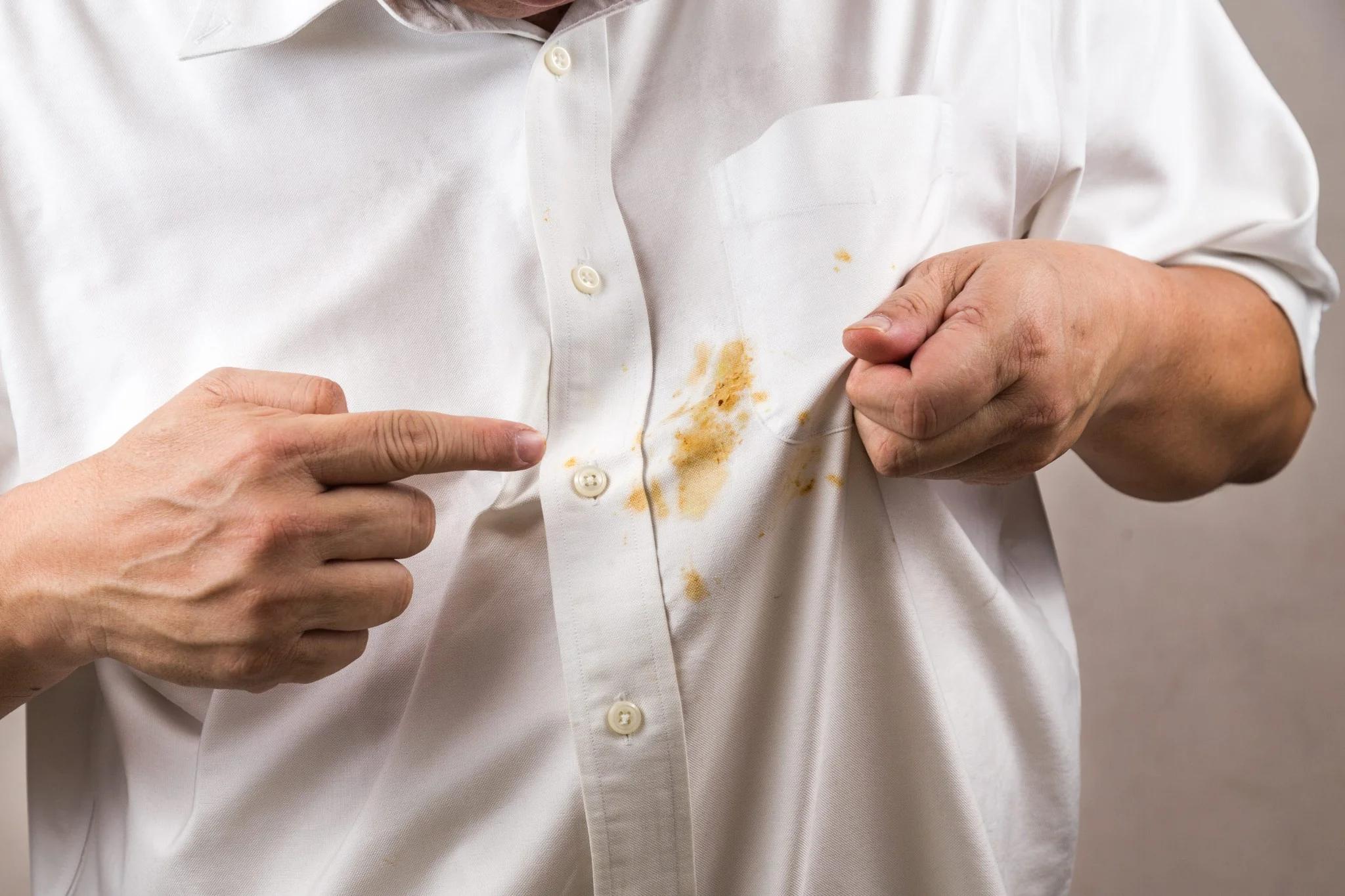
You reach for your favourite white shirt, hold it up to the light, and there it is again: a yellow shadow blooming under each arm, a faint amber line creeping along the collar. It looks like the shirt is ageing before its time, and no amount of ordinary washing seems to shift it. If you live in Dubai, you already know this is not an occasional problem. It is a season that runs from roughly March to November, every single year.
The good news is that yellow sweat stains are not permanent damage, at least not at first. They are a chemical reaction you can understand, treat, and largely prevent. Below is a practical, fabric-safe guide to lifting fresh and set-in marks, the mistakes that make them far worse, and the small daily habits that keep your whites genuinely white in a climate that works against them.
Key takeaways
- Yellow stains are not just sweat. They form when sweat proteins react with the aluminium salts in antiperspirant, and they darken with heat and time.
- Treat them cold and treat them early. Cold water and prompt attention lift fresh marks that hot water and delay would set for good.
- Reach for gentle oxygen-based options, not chlorine bleach. Chlorine actually turns protein and aluminium residue more yellow.
- Never tumble-dry or iron a shirt that still shows a stain. Heat bakes the mark permanently into the fibres.
- Prevention beats treatment. Undershirts, smart antiperspirant timing, and washing promptly do most of the work for you.
Why underarm and collar stains turn yellow
It is a common assumption that sweat itself stains fabric. In reality, fresh sweat is almost entirely water and salt, and on its own it usually rinses out. The yellowing is a secondary reaction.
Two things combine. First, sweat carries proteins and oils from your skin. Second, most antiperspirants contain aluminium-based compounds designed to plug the sweat glands and keep you dry. When those aluminium salts meet the proteins in sweat, they bind together and oxidise, and the residue that dries into the fabric takes on that familiar yellow-to-amber tone. The collar suffers the same fate from a slightly different source: a steady mix of sweat, skin oils, and the products you apply to your neck and hairline.
Why Dubai makes it worse
Nowhere tests this reaction quite like the Gulf. For much of the year you move between fierce outdoor heat and heavily air-conditioned interiors, so you perspire in bursts throughout the day. Higher perspiration means you also tend to apply antiperspirant more generously and more often, which means more aluminium sitting in the fabric. Add the fact that shirts often wait in a warm laundry basket before they are washed, and you have close to ideal conditions for stains to develop and deepen. The heat that dries your washing on the line is also, unfortunately, the heat that helps set any stain you missed.
How to treat fresh stains
A stain caught within a day or two is the easiest kind to win. Speed and cool temperatures are your allies here.
- Rinse the area under cold running water from the reverse side of the fabric, pushing the residue back out the way it came.
- Make a gentle paste using an oxygen-based (percarbonate) laundry booster and a little cool water, or dissolve the booster in cool water and soak the garment.
- Work the paste into the mark with your fingers or a soft brush, using light circular pressure. Let it sit for thirty to sixty minutes.
- Wash as normal on a cold or warm cycle, never hot, and always air-dry.
- Check the result before it goes anywhere near a dryer or iron. If a shadow remains, repeat the treatment. Do not apply heat until the fabric is genuinely clean.
How to treat set-in yellow stains
Older stains that have already been through a warm wash or a hot dryer are tougher, but many still respond to patience. The principle is the same, simply extended.
- Pre-soak the garment for two to four hours, or even overnight, in cool water with a generous scoop of oxygen-based booster fully dissolved.
- For white cotton and sturdy blends, a paste of the booster and a little water applied directly to the stain adds concentrated lifting power.
- Agitate gently. A soft toothbrush is ideal for working around collar seams and underarm creases without abrading the weave.
- Rinse, inspect, and treat again if needed. Set-in stains often lighten in stages rather than vanishing in one attempt, so two or three gentle rounds beat one aggressive scrub.
- Only when the mark is gone should you wash and dry as usual.
What not to do
Half the battle is avoiding the moves that quietly ruin a shirt. These are the most common and the most costly.
- Do not use chlorine bleach on yellow sweat stains. It reacts with the protein and aluminium residue and turns the area more yellow, not less, and on many whites the damage is irreversible.
- Do not wash or soak in hot water. Heat sets protein stains the way it cooks an egg, locking them into the fibres.
- Do not tumble-dry or iron a garment that still shows a mark. This is the single most common reason a treatable stain becomes permanent.
- Do not scrub hard with a stiff brush. Aggressive friction lifts fibres, creates a dull, worn patch, and can felt or pill the surface.
- Do not ignore it and hope. Every day a stain sits, and every warm cycle it survives, makes it harder to remove.
Fabric cautions
Not every fabric can take a soak and a scrub, and the finer pieces in your wardrobe need a lighter touch.
Silk and wool
Silk and wool are protein fibres themselves, which means the oxygen boosters that rescue cotton can dull, weaken, or discolour them. Keep these to a brief, very dilute cool soak at most, blot rather than rub, and if the piece is valuable or delicate, do not experiment. This is territory for a professional.
White kanduras and fine cottons
A crisp white kandura is a matter of pride, and the collar and underarm areas are exactly where sweat gathers. Fine white cotton and linen can usually handle oxygen-based treatment, but the finish, buttons, and any subtle detailing deserve care. Test any paste on an inside seam first, work gently, and never let a stain reach the pressing stage untreated, because a hot iron on these fabrics seals the mark for good.
Everyday synthetics
Polyester and performance blends hold onto body oils more stubbornly than natural fibres, so they benefit from a pre-soak and a good enzyme or oxygen detergent. They tolerate treatment well, but they still dislike high heat, so keep the wash warm at most and let them air-dry.
How to prevent stains in the first place
Treatment will always be a rearguard action. The real victory is stopping the reaction before it starts, and in Dubai's climate a few habits make a dramatic difference.
- Wear a thin cotton undershirt. It is the single most effective barrier between antiperspirant, sweat, and your good shirts.
- Apply antiperspirant at night to clean, dry skin. It absorbs and bonds to the skin while you sleep, so far less transfers onto fabric the next day.
- Use less than you think you need, and let it dry completely before dressing.
- Wash worn shirts promptly rather than leaving them in a warm basket, where the reaction quietly advances for days.
- Rinse a sweaty collar or underarm in cold water as soon as you can if a proper wash has to wait.
- Rotate your shirts so no single garment absorbs the daily punishment of a Dubai summer.
When to call in a professional
Some stains, and some garments, are simply not worth the risk of a home experiment. Hand it over when the piece is silk, wool, or a tailored item with structure and lining; when the stain is old, large, or has already survived a hot dryer; or when you are dealing with a treasured white you cannot afford to gamble with. Professional laundering uses controlled temperatures, calibrated agents, and pressing techniques that lift what home methods cannot, without the trial and error that turns a shadow into permanent damage. If in doubt, treat gently once, and if the mark resists, let an expert take it from there.
Frequently asked questions
Why do my white shirts turn yellow under the arms even when I wash them regularly? Because ordinary washing rinses away fresh sweat but does not break down the bond between sweat proteins and antiperspirant aluminium. That residue builds up invisibly and oxidises to yellow over time, especially if the wash is warm and the shirt is tumble-dried. You need an oxygen-based treatment and cool temperatures to target it specifically.
Can I use chlorine bleach to whiten a yellow sweat stain? No, and this is the most important thing to remember. Chlorine bleach reacts with the protein and aluminium residue and turns the area more yellow, often permanently. Always reach for a gentle oxygen-based (percarbonate) product instead, which lifts the stain without that damaging reaction.
Does Dubai's climate really make sweat stains worse? Yes. Constant movement between outdoor heat and cold air conditioning means you perspire in bursts and tend to apply antiperspirant more heavily, so more aluminium ends up in the fabric. Shirts also sit in warm laundry baskets longer, and residual heat helps set any stain that slips through. It is a genuinely tougher environment for keeping whites white.
Is it safe to treat a silk or wool item at home? Only with great caution. Silk and wool are protein fibres, so the oxygen boosters that work on cotton can weaken or discolour them. Limit yourself to a brief, very dilute cool soak and gentle blotting, and if the piece is valuable, delicate, or the stain is stubborn, take it to a professional rather than risk permanent harm.
How soon should I treat a sweat stain? As soon as you reasonably can. A stain caught within a day or two, before any heat has touched it, lifts far more easily than one that has been through a warm wash or a hot dryer. If you cannot do a full treatment immediately, at least rinse the area in cold water and avoid drying the shirt until it is properly clean.
Yellow underarm and collar stains feel permanent, but in most cases they are simply a chemical reaction that has been allowed to build, heat-set, or wait too long. Understand what causes them, treat them cool and early with gentle oxygen-based agents, avoid the chlorine and the hot dryer that make everything worse, and lean on undershirts and smart antiperspirant timing to stop the problem at its source. For the pieces that matter most, and for stains that have already had time to settle, a careful professional touch remains the safest route back to genuinely clean whites.
Let Thawb Wa Teeb rescue your whites
Yellow underarm and collar stains are exactly the kind of problem that rewards experience, and it is where Thawb Wa Teeb earns its keep. Our team treats sweat and antiperspirant marks with controlled temperatures and gentle, calibrated agents rather than the harsh shortcuts that set stains for good, so your favourite shirts and crisp white kanduras come back genuinely clean instead of quietly damaged. Our Wash & Iron service handles the everyday load with pressing that finishes each piece properly, while stubborn set-in marks get the careful attention they need.
Skip the trial and error and let Thawb Wa Teeb do the worrying for you. With free Pickup & Delivery and no minimum order, we collect from your door and return your laundry fresh, folded, and ready to wear. Message Thawb Wa Teeb on WhatsApp at +971 56 830 6804 for a 48 to 72 hour return across 48+ Dubai communities.
Related reading
More reading
Silk & Chiffon Care in Dubai: How to Protect Your Most Delicate Pieces
Silk and chiffon are unforgiving in Dubai's heat, humidity and perfume-heavy routines. Here is a practical, Dubai-specific guide to washing, drying, ironing, storing and knowing when to hand a piece to the professionals.
Kandura Dry Cleaning Dubai: The Master Artisan Guide to Garment Preservation
Discover expert kandura dry cleaning dubai services. Our guide reveals artisanal techniques to preserve your garment's crisp white and sharp silhouette. Lear...
Abaya Dry Cleaning Dubai: The Definitive Guide to Luxury Garment Preservation
Discover the definitive guide to abaya dry cleaning Dubai. Learn how eco-solvents & artisanal pressing preserve luxury fabrics, beadwork, and deep black color.
Need help with your laundry?
Free doorstep pickup and 48 to 72 hour return across 48+ Dubai communities — book in 60 seconds.