Removing Henna, Perfume and Kohl Stains in Dubai
Three stain families show up at our intake counter more often in Dubai than anywhere else: henna, oud-based perfume, and kohl. Each one needs a different chemistry, and a wrong first move can lock the stain in for good.
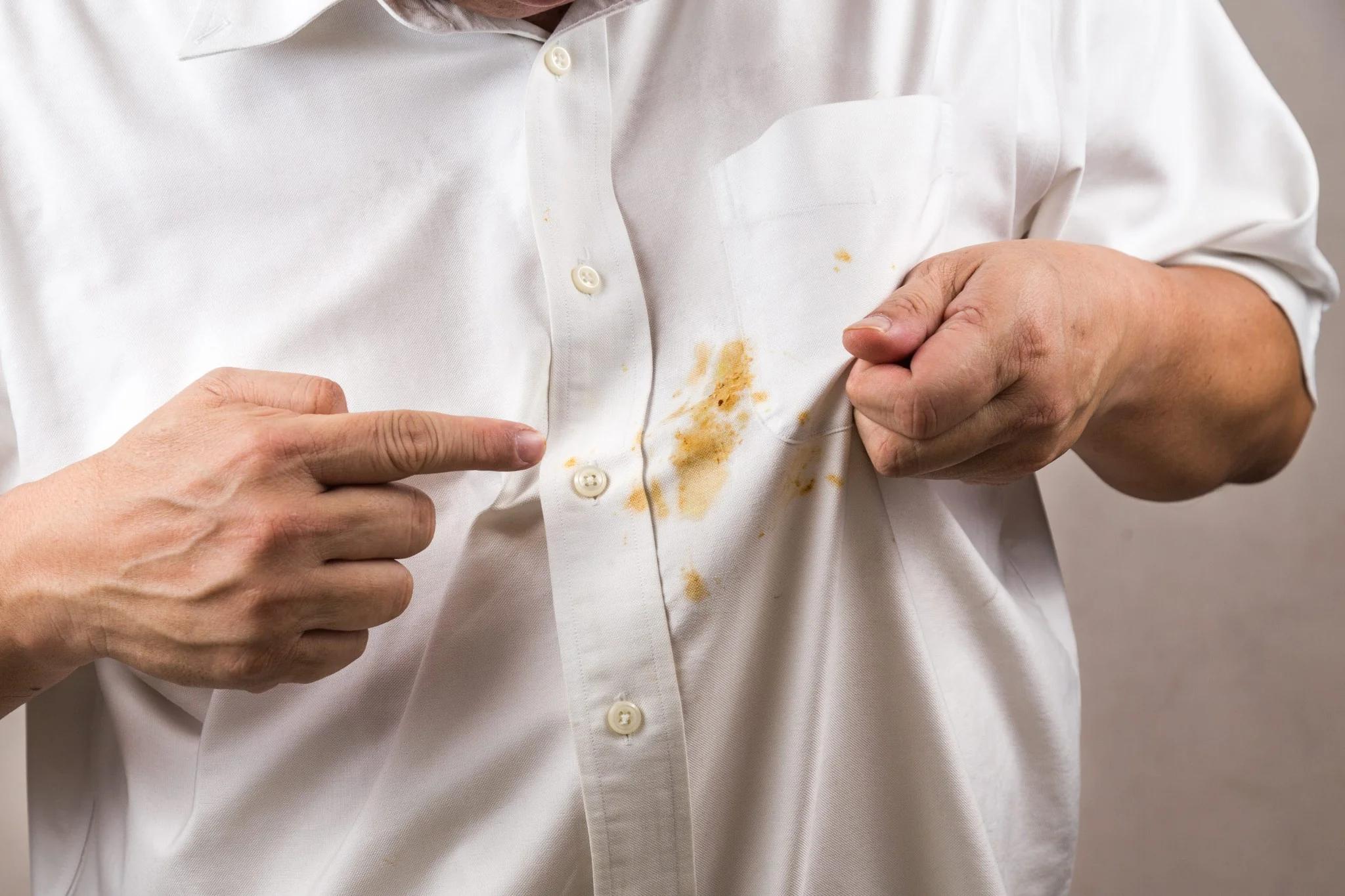
Why these three stains are different here
In most of the world, a laundry intake counter sees coffee, grape juice, ink, and grass. In Dubai we see all of those — but we also see henna, perfume, and kohl in quantities you would not believe. They come from celebrations, daily wardrobes, and weddings, and they behave nothing like the textbook stains a generic laundry guide covers.
The shared problem: each of these three uses pigments designed to bind to keratin and natural fibres. They are made to stay. That property is exactly what makes them so hard to lift once they reach fabric.
Henna: the lawsone problem
Henna's active dye molecule is lawsone. Lawsone bonds to proteins — that is why it stains skin reddish-brown for weeks. On cotton and silk, the same bond forms with the fibre.
The window for easy removal is the first two hours, while the lawsone is still oxidising. After 48 to 72 hours, the bond is largely complete and household remedies stop working.
If you catch fresh henna: blot — never rub — with cold water. Then dab the area with a mix of one part white vinegar to four parts cold water. Repeat the dab, never the scrub. Cold rinse. Hand the garment to a professional within 48 to 72 hours; do not put it in a dryer, because heat sets the bond permanently.
What does not work: lemon juice (acidic, but spreads the stain), bleach (damages the fabric long before it touches the lawsone), hot water (locks the dye in).
Oud, attar, and oil-based perfume
Most Western perfumes are alcohol-based and evaporate cleanly. Many fragrances common in Dubai — oud, attar, mukhallat — are oil-based. The carrier oil leaves a halo even after the scent fades.
The oil halo is not greasy in the usual sense. It is a sandalwood- or musk-resin film that traps dust. Two weeks after the spray, you see a faint dark ring where the perfume contacted the fabric.
To treat fresh oil-perfume contact: blot with a paper towel; do not press hard. Dust the area with cornstarch or talc and leave for fifteen minutes — these absorb the oil before it spreads further. Brush the powder off, then hand the item to a professional dry cleaner.
Do not wash an oil-perfume stain at home with water and detergent. Water and oil do not mix, and the detergent will redistribute the oil into a wider, fainter, harder-to-remove ring.
Kohl: powder pigment on a wax binder
Kohl looks like a dry powder but contains a small amount of wax or oil to keep the pigment on the lash line. When it transfers to fabric — usually a white pillowcase, abaya sleeve, or shirt collar — both the pigment and the binder go down.
Treat fresh kohl by lifting any visible powder with sticky tape first. Do not rub it with a cloth, which only grinds it deeper.
Then pretreat with a small drop of dish soap rubbed gently in the direction of the weave. Cold rinse. If a faint grey shadow remains, hand the item to a professional — kohl on silk or cashmere always benefits from solvent dry cleaning.
What never works
A list of household "hacks" that make these three stains permanent:
- Hot water on any of them. Heat sets lawsone, oxidises kohl, polymerises perfume oil.
- Bleach. It eats the fibre before it reaches the pigment.
- Rubbing alcohol on silk. It strips the silk's protein and the stain stays.
- Tumble drying after a partial treatment. The heat in a dryer is a stain's best friend.
When to stop trying
If a stain has been there longer than 48 to 72 hours, or if the fabric is silk, satin, wool, or anything labelled "dry clean only," do not attempt a second home treatment. Each round of DIY adds water, friction, or chemistry that makes the eventual professional job harder.
Wrap the item in a clean cotton cloth — not plastic — and bring it in. Mark the stain location with a small safety pin so the technician finds it before the wash.
When the stain is bigger than the home remedy
Henna, oud-perfume oil, and kohl all share the same property: every minute they sit is a minute the wrong move can make permanent. Thawb Wa Teeb runs solvent-specific pretreatment at intake — each garment is examined, the stain identified, and the right remover applied before anything touches a wash drum. That is why a fresh henna mark we receive within 48 to 72 hours usually comes out clean.
We collect from your door across 48+ Dubai communities, no minimum order, and return within 48 to 72 hours. WhatsApp Thawb Wa Teeb on +971 56 830 6804 the moment the stain happens — book a Pickup & Delivery, pair it with full Dry Cleaning if the fabric warrants it, and let Thawb Wa Teeb handle the chemistry so you do not turn a salvageable item into a permanent one.
Related reading
More reading
Caring for Cashmere and Wool in Dubai's Short Winter
Dubai gets ten useful weeks of winter — late December through early February — and many residents own a small but expensive collection of cashmere and wool pieces that sit unused for the other forty-two. Here is how to keep them in shape across both extremes.
Laundry Services Built for Busy Dubai Expats
Long hours, frequent travel, no helper at home — the standard Dubai expat schedule does not leave time for weekly laundry. Outsourcing it is one of the highest-leverage time wins available.
How to Wash Activewear in Dubai Without Damaging the Fabric
Activewear is technical fabric engineered for performance. Treating it like cotton wears it out years before it should. Here is exactly how to extend its life.
Need help with your laundry?
Free doorstep pickup and 48 to 72 hour return across 48+ Dubai communities — book in 60 seconds.