Stains Only Professionals Can Remove (And Why Home Treatment Makes Them Worse)
Some stains are simply beyond home treatment. Recognising them early — and stopping before you make them permanent — saves the garment.
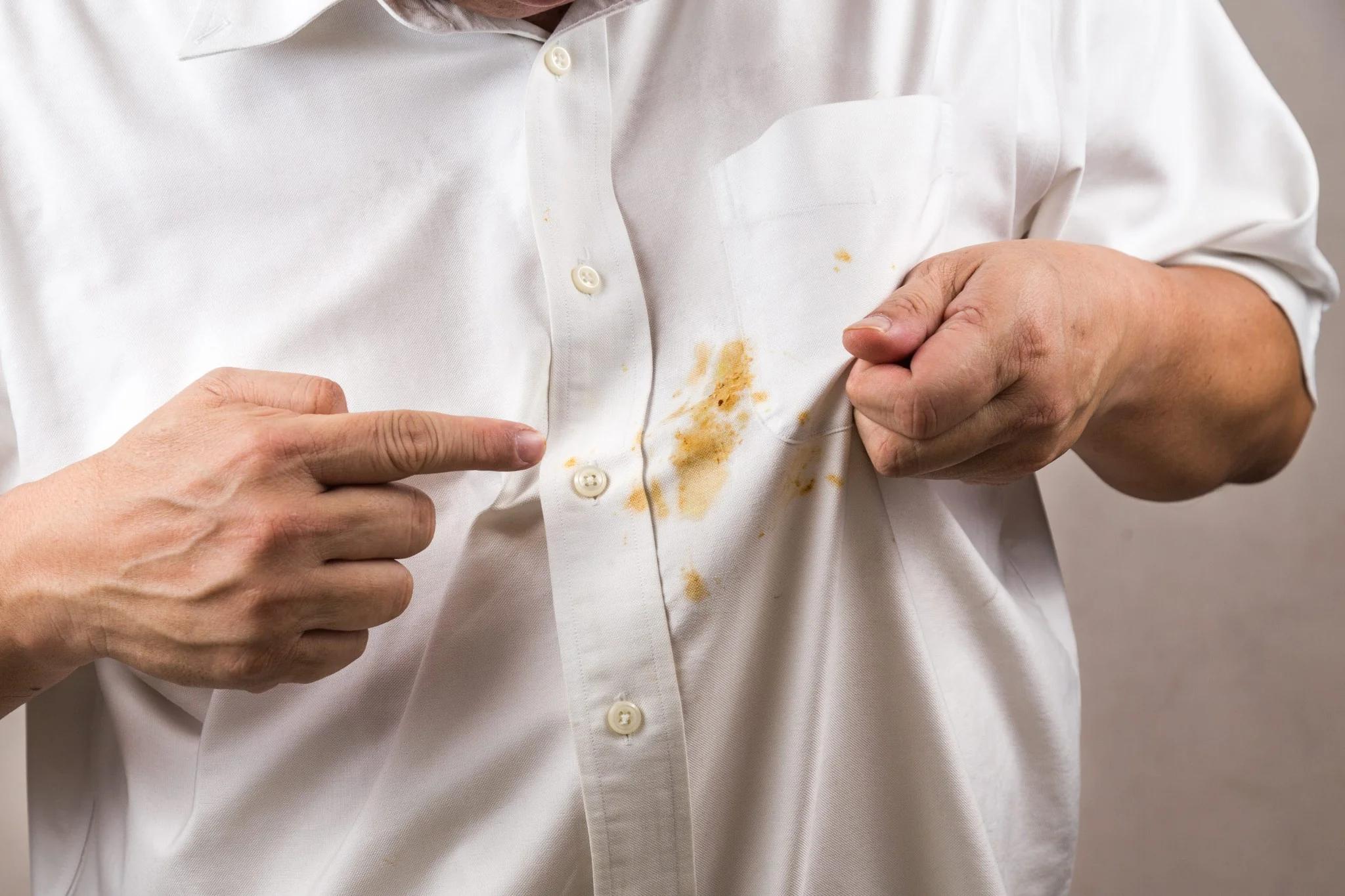
Why some stains need professional treatment
Most household stains lift with the right home protocol. Grape juice, coffee, oil — all manageable with quick response and the right chemistry.
A small but important category of stains is different. The stain chemistry, the fabric chemistry, or both, are beyond what household cleaners can address safely.
Trying to remove these at home almost always makes them worse. The wrong chemical reaction sets the stain permanently or damages the fabric around it.
Recognising these stains early — and stopping before you escalate — is the single most important skill in stain management.
Old set-in stains (anything over 48 hours)
A stain that has had 48+ hours to oxidise has bonded chemically with the fibre. The longer it sits, the deeper the bond.
Home treatment at this point usually does one of two things: lift only the surface layer (so the stain "lifts" temporarily but returns after the next wash) or spread the stain as you try to work it out.
Professional solvent treatment can sometimes break the chemical bond at the molecular level. Home cleaners cannot.
If you find an unknown stain that has been sitting for days, do not attempt home treatment. Send to a professional with a note describing the stain source if you remember it.
Ink on silk or wool
Pen ink on cotton can be home-treated with isopropyl alcohol successfully. On silk or wool, the same alcohol damages the protein structure of the fibre.
Even "safe" home stain removers contain enzymes that break down protein fibres. They are designed for plant fibres like cotton.
For ink on any protein fibre — silk, wool, cashmere, animal-hair blends — the only safe option is solvent dry cleaning by someone who specialises in delicate fabrics.
Attempting home treatment usually creates a permanent bleached spot around the original stain.
Dye transfer from coloured items
The classic case: a red item bled colour onto a white or pale item in the wash.
Home bleach often makes dye transfer worse, especially on synthetic fibres where the dye has bonded chemically rather than mechanically.
Professional colour-correction protocols use specific oxidation reducers that target the transferred dye without damaging the base fabric. Home equivalents do not exist.
Catch dye transfer immediately. Do not put the item in the dryer (heat sets the transferred dye permanently). Take it to a professional within 48 to 72 hours for the best chance of recovery.
Sweat-set yellowing in stored items
Sweat residue that was washed but not fully removed before storage often emerges yellow after months in storage. The salt and protein residue oxidised during storage.
Home bleach makes this much worse on most fabrics. Either it bleaches a halo around the stain, or it activates the residue chemistry in ways that make the yellow permanent.
Professional treatment uses targeted oxidation removers calibrated to the specific yellowing chemistry. Recovery is often partial; full lift is harder the older the storage.
If you bring out a stored item and find yellowing, do not attempt home cleaning. Send directly.
Curry, turmeric, and saffron on white or pale fabric
These pigments bond chemically with fabric proteins. Even successful home removal often leaves a faint yellow shadow that becomes visible months later.
For coloured fabric, home treatment works adequately. For white or pale fabric, professional treatment is necessary to fully break the pigment bond.
The classic mistake: scrubbing aggressively at a turmeric stain on a white shirt. This embeds the pigment further into the weave while damaging the surface fibres. The result is a deeper stain on a damaged fabric.
Wedding dress stains discovered late
A wedding dress with hidden drink, sugar, or makeup stains often shows damage three to six months after the wedding — exactly the timeframe most brides leave between wedding and cleaning.
By the time the yellow patches appear, home treatment is useless and harmful. The fabric has already aged around the stain.
Always clean a wedding dress within two to three weeks of the wedding, even if it looks fine. See our wedding-dress cleaning guide for the full protocol.
If you have a wedding dress with visible old stains, bring it to a specialist immediately. Faster action means more recovery options.
Unknown stains
If you find a stain and do not know what caused it, do not try to remove it at home.
The wrong cleaning chemistry can react with unknown stains in ways that make them permanent. Water-based cleaners on oil-based stains create halos. Bleach on protein-based stains creates permanent colour loss.
A professional can usually identify the stain source by appearance and chemistry. The right treatment lifts most unknown stains; the wrong treatment makes them permanent.
When in doubt, do not treat. Send.
Rust and metal stains
Rust on fabric requires specific oxalic acid treatments to lift. Home equivalents typically do not work and often spread the stain.
For rust on white fabric, the treatment is delicate — too much acid bleaches the fabric, too little leaves the stain. Professional calibration matters.
Rust often appears on white shirts and bedlinen from contact with metal hangers, hot water radiators, or hardware in older buildings. Catch it early and send immediately.
Permanent marker
This is one of the few stains where home treatment is genuinely impossible on most fabrics. Permanent marker uses an oil-based pigment specifically designed to resist water-based cleaning.
Professional solvent treatment can sometimes lift permanent marker — depending on age, fabric, and pigment type. Home treatment usually only smears it.
If you have permanent marker on a garment, bring it in for assessment immediately. Some pigments lift, some do not. A professional can tell you upfront which category your stain falls into.
What we can promise honestly
We cannot remove every stain. Some are too old, too aggressive, or too deep.
What we can promise: honest assessment before treatment. If a stain is unlikely to lift, we will say so before charging for the attempt.
If a stain lifts partially, we will explain what to expect after multiple washes (residual ghost stains sometimes deepen with time, sometimes fade further).
If a stain is dangerous to attempt without potentially damaging the garment, we will recommend leaving it rather than risking the fabric.
Honest assessment is the most valuable thing a stain specialist offers. Recovery is the second.
How to send a stained item
Note the stain source and approximate age on a paper slip inside the bag.
WhatsApp +971 56 830 6804 with a photo before sending. We can confirm if treatment is worthwhile and give realistic expectations.
Free pickup across 48+ Dubai communities. The faster you send a stained item, the better the recovery odds.
What to do right now if you spot an unknown stain
Stop. Do not scrub or treat.
Lift any solid residue gently with a spoon (not scraping).
Blot any wet residue with a clean white cloth.
Take a photo.
Put the item in a clean cloth bag (not plastic) and bring it to us within 48 to 72 hours.
The single most important factor in stain recovery is what you do not do. Most stains that arrive permanent at our facility were made permanent by home treatment, not by the stain itself.
When you need Thawb Wa Teeb's stain expertise
The stains in this article — set-in wine, ink on silk, dye transfer, old turmeric, set sweat yellowing, late wedding-dress stains — are exactly what Thawb Wa Teeb's pretreatment chemistry is built for. We use solvent-specific removers calibrated to each stain type and each fabric, applied before the wash cycle starts.
We're also honest about limits. Some stains genuinely can't be lifted, and we tell you that upfront before charging anything. WhatsApp Thawb Wa Teeb on +971 56 830 6804 with a photo of the stain. Free pickup across 48+ Dubai communities for Dry Cleaning, no minimum order, hand-finishing on every item.
Related reading
More reading
How to Store Seasonal Clothes in Dubai's Climate
Dubai's humidity, heat, and dust make seasonal storage trickier than in temperate climates. Here is exactly how to store winter and summer wardrobes so they emerge in perfect condition next season.
How to Keep Clothes Fresh Between Washes in Dubai
Dubai's heat and humidity work against your wardrobe constantly. Here are the practical habits that keep clothes fresh longer, save on cleaning frequency, and extend garment life.
Wedding Dress Cleaning and Preservation: A Complete Bridal Guide
A wedding dress is one of the most fragile and emotionally valuable garments anyone owns. Here is the complete cleaning and preservation guide so it looks the same in twenty years as it did on your wedding day.
Need help with your laundry?
Free doorstep pickup and 48 to 72 hour return across 48+ Dubai communities — book in 60 seconds.