7 Stain Removal Hacks That Actually Work on Real Fabric
Most stain advice online is folk-recipe nonsense — vinegar this, baking soda that, with no understanding of what actually causes a stain to set. These seven hold up to repeat use on real fabric in Dubai.
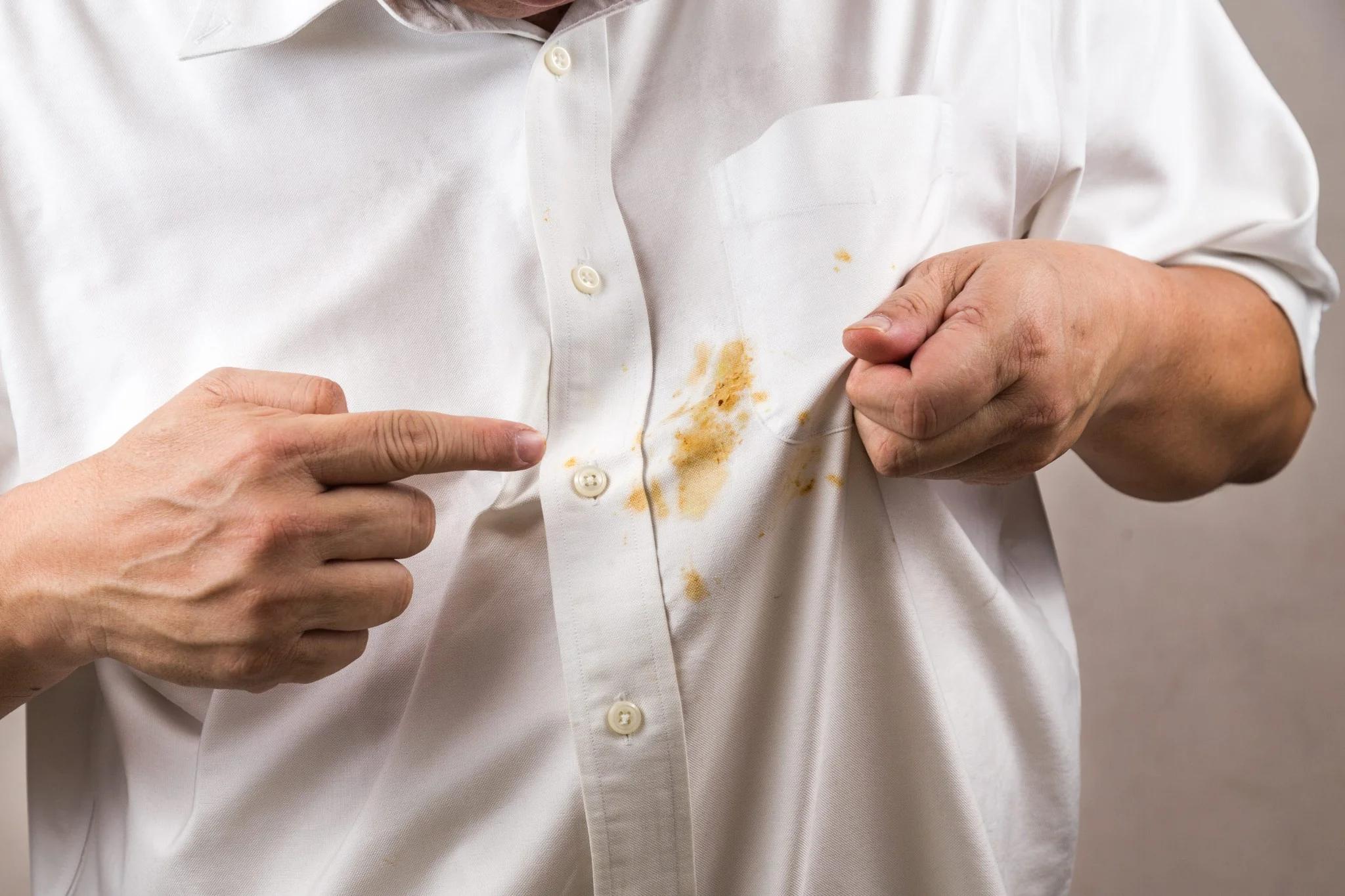
Why most stain advice fails
Search for "remove red grape juice stain" and you get fifty pages of contradictory tips. Pour salt. Pour white grape juice. Pour milk. Pour club soda.
None of these are wrong, exactly. But almost none address the real chemistry of why a stain sets in fabric. They are folk remedies that worked once for someone, got shared, and got repeated forever.
A stain is a colour or substance bonded to a fibre. Removal means breaking that bond without damaging the fibre. The right approach depends on what bonded, what fibre it bonded to, and how long the bond has had to set.
The seven hacks below are not magic. They are the techniques that actually break the bonds correctly, used in the right order.
1. Always blot, never rub
This is the single most important rule in stain removal. Rubbing forces the stain particles deeper into the weave of the fabric, spreads them sideways, and damages the fibre.
Always lift the stain up. Press a clean white cloth onto the affected area, hold it for a few seconds, then lift away. Repeat with a clean section of cloth.
Use white cloths only — coloured cloths can transfer dye to your garment, making the original stain harder to identify and treat.
2. Cold water for protein, warm water for sugar and tannin
Blood, sweat, egg, milk, baby food — all protein-based stains. Cold water only. Hot water cooks the protein into the fabric and sets it forever.
Sugar-based stains (juice, syrup, soda) and tannin stains (coffee, tea, red grape juice) respond to warm water, which dissolves them. Hot water is fine here.
Get this wrong — hot water on a blood stain, for example — and you have a permanent mark.
3. Dish soap on grease
Plain dish soap is formulated to cut grease off plates. It works exactly the same way on grease on fabric.
A single drop, gently worked into the fabric with your fingertips, then left to sit for ten minutes. Rinse with warm water and wash normally.
For deep grease (engine oil, sunscreen, lipstick), repeat the dish-soap step before washing. Tumble drying before the grease is fully out will set it permanently.
4. White vinegar on deodorant residue
The yellow underarm stains on white shirts are not really sweat — they are the reaction between aluminium-chloride deodorant residue and your sweat over time.
White vinegar dissolves the aluminium-chloride bond. Soak the underarm in a 1:1 vinegar-water solution for 30 minutes before washing. For old stains, do this twice across two consecutive wash cycles.
This will not remove all yellowing on a kandura that has been ignored for a year. But on fresher stains, the result is dramatic.
5. Cornstarch on fresh oil
If you spill cooking oil on a kandura during lunch, do not wait until you get home. Cover the spot with cornstarch immediately.
The starch absorbs the liquid oil before it has time to bond with the fabric. After 20 minutes, brush off the starch — most of the oil goes with it. Wash normally.
This technique works because cornstarch is highly absorbent and chemically inert. It does not damage any fabric we have tested it on, including silk and wool.
6. Never iron a stained garment
Heat sets stains permanently. Ironing a garment with even a faint shadow stain bonds the remaining particles into the fibre forever.
Always inspect a garment before ironing. If there is any visible residue, treat the stain first and check it is fully gone before applying heat.
This is also the rule for tumble drying — never tumble-dry an item with a stain still visible. Air-dry, inspect, re-treat if needed, then dry.
7. Some stains belong with a professional
Silk, wool, cashmere, and wedding-dress white are unforgiving. Home stain treatment on these fabrics almost always leaves a water ring, a faint discolouration, or visible fibre damage.
Ink, set grape juice, old turmeric, professional makeup, and any stain on a fabric you cannot read the care label for — these also belong with a professional.
The reason is access to chemistry. Professional dry cleaners have solvents tuned for specific stain-fabric combinations that consumer products cannot match.
What we do with stained items
Every garment that arrives at our facility is inspected for stains at intake. If we find anything, we tag the location and pretreat it before the wash.
Our pretreatment is included in standard pricing. There is no surcharge for stained items.
For unusual stains, mention it at pickup or note it on the bag. A 10-second note ensures the right chemistry meets the right stain.
When to send rather than try at home
If a stain has been on a garment for more than 48 hours, send it out. The bond has had time to set, and home techniques become much less effective.
If the fabric is silk, wool, or any structured garment (suit, gown, beaded piece), send it out. The risk of home damage outweighs the cost of professional service.
If you have already tried one home technique and the stain is still visible, send it out. Repeated home attempts often make the stain harder to remove professionally.
Free pickup across 48+ Dubai communities. WhatsApp +971 56 830 6804.
When to stop blotting and call Thawb Wa Teeb
Home stain treatment works for the easy ones. For everything else — set-in wine, old turmeric, dye transfer, unknown stains — the wrong chemistry sets the stain permanently. Thawb Wa Teeb runs solvent-specific pretreatment on every item at intake: each stain is examined, identified, and matched to the right remover before the wash even starts.
If you have a garment with a stain you can't shift, don't risk a second home attempt. WhatsApp Thawb Wa Teeb on +971 56 830 6804 with a photo — we'll tell you honestly whether the stain is treatable before charging anything. Free pickup across 48+ Dubai communities, hand-finished Dry Cleaning with no minimum order.
Related reading
More reading
Sweat, Sand & Salt: A Dubai Summer Survival Guide for Your Wardrobe
Three Dubai-specific summer stains team up to ruin a wardrobe between June and September. Each demands a different first move within the first hour — get the chemistry right and the garment lives; get it wrong and the stain becomes permanent.
Curtain and Carpet Cleaning in Dubai: How Often and Why It Matters
Dust, humidity, and constant AC airflow build up silently in your curtains and carpets. Here is a realistic cleaning schedule for a Dubai home, and what actually happens when you skip it.
Doorstep Laundry: Why Pickup and Delivery Saves Real Hours Every Week
Dubai households spend three to five hours a week on laundry. Outsourcing that single chore to a doorstep service is the cheapest hour-per-dirham you can buy back in your week.
Need help with your laundry?
Free doorstep pickup and 48 to 72 hour return across 48+ Dubai communities — book in 60 seconds.